

Explore our services
Chiropractic Treatments
For effective treatment of musculoskeletal problems
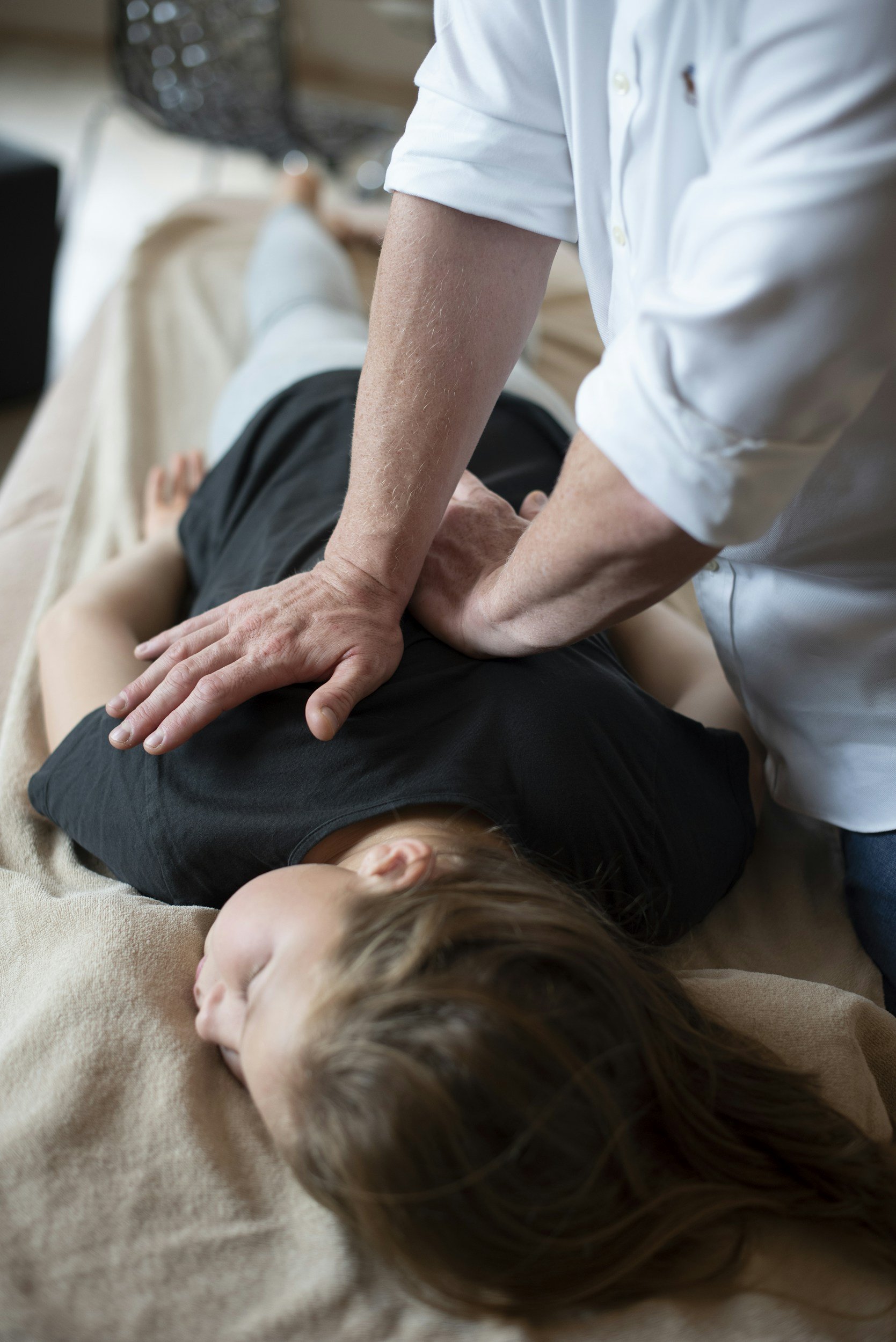
Traditional chiropractic treatment focuses on spinal alignment and joint manipulation to provide rapid, but temporary pain relief. We take a more comprehensive approach, integrating exercise and rehab to help you build long-term resilience.
Our chiropractors offer expert diagnosis, treatment for acute pain and chronic conditions, and recovery plans that work around your needs and lifestyle.
-
Spinal or joint manipulation (sometimes called SMT or HVLA) is a precise, controlled technique used to improve movement in specfic stiff and restricted joints.
Often, the release of pressure in the joint(s) are felt or heard as a small pop/ click.
At Rekinect Health, manipulation is used selectively. The aim is to restore joint motion, reduce unnecessary muscle guarding, and create an opportunity for better quality movement.It is rarely used in isolation, but is often combined with massage and guided rehabilitation to help sustain changes and to build long-term resilience.
-
Activator treatment uses a small handheld instrument to deliver a quick, controlled impulse to a specific joint.
The speed of the impulse allows the joint to respond without the need for a larger manual adjustment. It is gentle, precise, and well suited to people who prefer a lighter approach or where a traditional manipulation isn’t appropriate.
At Rekinect Health, it’s used selectively to improve joint movement, reduce protective muscle tension, and support the wider rehabilitation plan.
-
Western acupuncture (also known as dry needling) uses very fine needles placed into tight or overactive muscles to reduce muscle tension, improve blood flow, and help reset areas that are persistently guarded or painful.
Some people feel a brief ache or twitch when the needle is placed — this is a normal muscle response and usually settles quickly.
At Rekinect Health, dry needling is used selectively when muscle tension is limiting progress, and is ideal for people who are sensitive to deeper pressure or more aggressive treatment techniques.
-
Pelvic blocking uses cushioned wedges placed under the pelvis while you lie down. Your body weight and gravity do the work, creating a gentle stretch through the lower back and pelvis.
It’s a low-force technique used to ease tension, improve comfort, and encourage better movement in the hips and lower spine.
It can also help decompress the lower back, support more stable positioning of the pelvic joints (which can be helpful in conditions such as SPD and pelvic girdle pain), and reduce excessive resting muscle tension in the lower back and hips — particularly where imbalances such as leg length differences are contributing to strain.
-
Drop adjustments uses a specially designed treatment table with small sections that gently drop a short distance during the adjustment.
A quick, controlled impulse is applied as the table section drops, allowing the joint to move with less force than a traditional manual adjustment.
This approach can improve joint mobility while reducing strain on surrounding tissues, making it a comfortable option for many people and is particularly suitable for people who cannot tolerate rotation adjustments.
-
Spinal traction and flexion-distraction are gentle techniques used to reduce pressure and improve movement in the spine.
Using a specialised treatment table, the lower section moves slowly and rhythmically, allowing the spine to be guided through controlled flexion and decompression. This can help reduce joint compression, ease disc-related irritation, and calm protective muscle tension.
The movements are slow and carefully graded, sitting in an arc within the patient’s tolerance range, making the technique well suited to people with acute pain, disc sensitivity, or those who prefer a lower-force approach.
-
Sports taping uses supportive or elastic tape applied to muscles and joints to offload irritated tissues, provide light bracing to a joint, guide movement patterns, or support muscle activation during rehabilitation sessions.
It can also be used to assist fluid movement and reduce local swelling (where appropriate).
While it doesn’t replace treatment or rehabilitation, it can provide short-term support while strength, control, and appropriate loading are being rebuilt.
-
Functional rehabilitation is an injury specific and graded progression-led, structured movement training designed to restore strength, control, and coordination in the way your body actually moves day to day.
Rather than isolating muscles in machines, it focuses on breathing, posture, joint control, and whole-body movement patterns; helping you move more efficiently and with less strain.
At Rekinect Health, rehabilitation is built on principles from Dynamic Neuromuscular Stabilisation (DNS) and Clinical Pilates. These form the foundation for improving deep stability, spinal control, and balanced muscle activation. From there, we layer in traditional and modified strength and conditioning exercises to rebuild capacity.
Functional rehabilitation reinforces the changes made with passive care; training your body to sustain treatment effectiveness, tolerate load, and perform better in daily life, work, and sport.
The goal isn’t just symptom relief, but long-term resilience and performance.
Massage Therapy
For reducing muscle tension and accelerating recovery

Massage therapy involves skilled manipulation of muscles, ligaments and tendons. By applying the perfect amount of pressure in the right spot, massage can relieve tension and reduce pain.
Targeted tissue manipulation helps the body respond better to exercise and rehab. We include it in our recovery plans to make sure your muscles and joints work together as you build strength and range of movement.
-
Sports massage is a hands-on treatment focused on relieving muscle tension, improving circulation, and supporting recovery from training or physical strain.
It can be used to address tight or overworked areas, improve flexibility, and help reduce post-exercise soreness. Pressure and techniques are adapted to suit your goals — whether that’s recovery, preparation for activity, or managing ongoing muscle tension.
At Rekinect Health, sports massage is often used alongside chiropractic care and rehabilitation to support tissue recovery and help you stay active with less discomfort.
-
Dry cupping is a technique sometimes used within sports massage. Small cups are placed on the skin to create gentle suction, lifting the tissue slightly rather than compressing it.
This can help reduce muscle tension, encourage local blood flow, and ease areas that feel tight or restricted. Some people notice temporary circular marks on the skin which are harmless and fade over a few days.
Unlike wet cupping, dry cupping does not involve breaking the skin or drawing blood.
It is a non-invasive technique used purely for soft tissue work, and is one tool within a wider recovery approach.
-
At Rekinect Health, heat therapy massage uses both smooth heated stones and warmed bamboo tools to deliver sustained warmth into the muscles while massage techniques are applied. The combination allows both precise pressure (with stones) and broader, flowing pressure (with bamboo), helping soften tight tissue, improve circulation, and make deeper work more comfortable and effective.
The warmth helps reduce protective muscle tension and improve tissue tolerance, which can enhance the effectiveness of chiropractic treatment and support follow-up rehabilitation work. This makes it suitable for clients who are sensitive to deep pressure or other, more rigorous treatment modalities.
Suitability is always assessed beforehand, as heat therapy may not be appropriate for certain circulatory conditions, impaired sensation, acute inflammation, or heat sensitivity.
-
Lymphatic drainage massage is a gentle, rhythmical technique designed to support the movement of lymph fluid through the body, using light, directional pressure to encourage fluid movement and reduce localised swelling. It is commonly used following injury or surgery, and in cases of fluid retention where clinically appropriate.
At Rekinect Health, lymphatic drainage is used selectively as part of a wider treatment plan to help manage swelling and support recovery. It is not a deep tissue treatment and is adapted carefully to individual needs.
Suitability is always assessed beforehand, as it may not be appropriate in certain medical conditions.
Clinical Pilates
For building back strength, flexibility and control
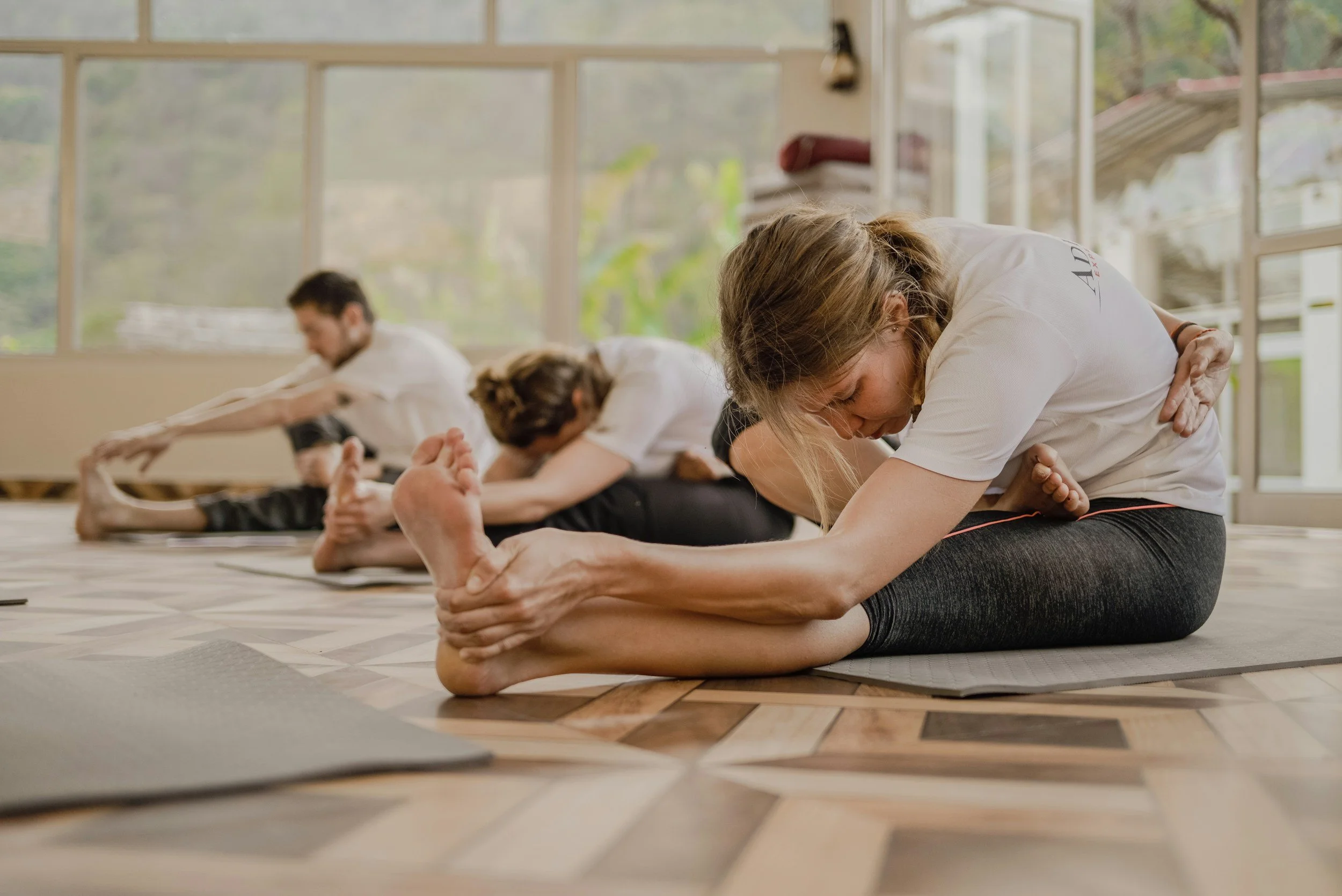
Pilates is a movement system that retrains the small stabilising muscles that support your joints and spine. The low-impact nature makes Pilates especially useful in helping your body relearn how to load, rotate and stabilise safely after pain or injury.
We offer clinician-led, solo and small group Pilates classes. Each programme is designed to help you build the strength and control you need to maintain your recovery long-term.
-
1:1 Clinical Pilates is a personalised, one-to-one movement session focused on improving strength, control, and body awareness through pilates specific exercises.
It can be used as a standalone session to better understand and train muscle activation patterns, drill joint-protective muscle-activation patterns or as part of a wider rehabilitation plan (see functional rehabilitation).
Sessions are tailored to your needs; whether that’s refining specific exercises, improving control in a particular muscle group, or building confidence in movements you find challenging.
Working one-to-one allows for detailed coaching, precise adjustments, and clear feedback so you can ensure movements are precise and transferable to daily life.
-
Group Pilates takes a broader global movement approach focusing on improving strength, posture, control, and coordination in a carefully guided setting.
Classes are kept small to allow for individual attention, exercise modifications, and clear coaching cues. Movements are layered and progressed thoughtfully, helping you build deep stability and balanced strength without overloading the body.
They are ideal for maintaining progress, preventing recurrence of pain, and building long-term movement effectiveness.
“I’ve seen many chiros over the years, and I love that your approach and treatment style is so comprehensive. This is the best I’ve felt in years.”
— John D.
Some Kind Words…
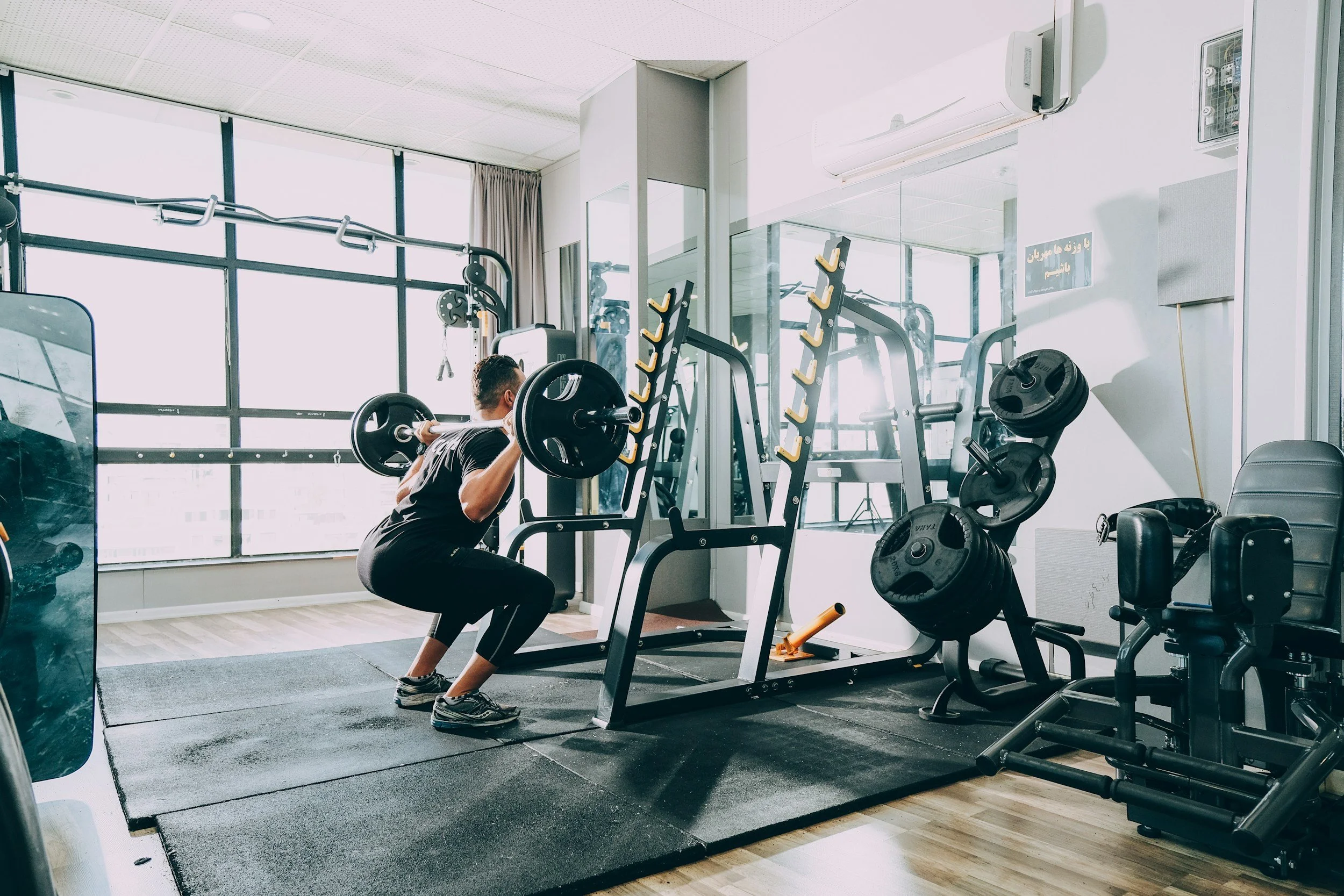
“Great treatment programme that alleviated several issues and put me back in a position where I can work comfortably and return to the gym properly”
— Les E.

Ready to move forward?
Whether you're navigating pain, stiffness or performance goals, we begin with a detailed assessment to understand what your body truly needs.
We don’t rush treatment or rely on one-off fixes — we take the time to build care that evolves and progresses with you.